Launch
Distribution and price discovery happen in the open, on the chain where the asset will actually live.
put the visor on
Robinhood Chain · (3,3) launchpad & liquidity layer
Florence had the Medici.
Robinhood Chain has Medici.
The thesis
A project can finish its distribution, hold attention for an afternoon, and then meet the real problem: fragmented liquidity, incentives pointed at nothing in particular, capital that leaves the moment emissions do, and a community with no economic reason to stay.
Medici puts those stages into one system. The launch opens the market. Liquidity gives it depth. Incentives bring capital to it. The (3,3) model keeps the people who provide liquidity, the people who trade and the people who govern on the same side of the trade.
Distribution and price discovery happen in the open, on the chain where the asset will actually live.
Depth is formed as part of the launch instead of being negotiated afterwards with mercenary capital.
Emissions are pointed at the markets the ecosystem decides are worth keeping alive.
Providers, traders and voters end up holding the same position: the market itself.
Launch · liquidity · incentives · alignment
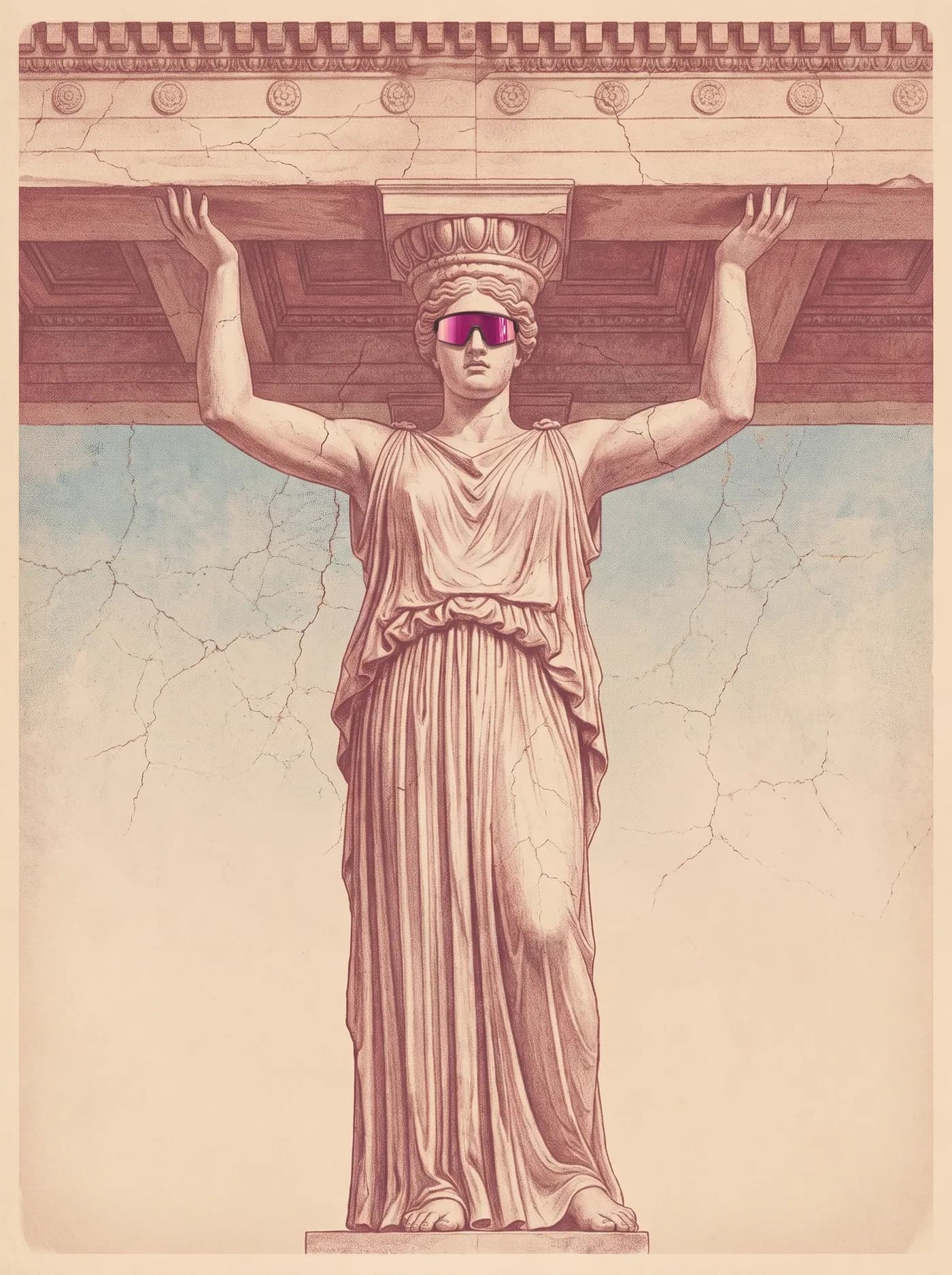
Liquidity as infrastructure
Depth is what stands behind every swap, every arbitrage, every new position and every movement of capital between assets in the ecosystem. Without it, an asset has a price but no market.
Medici puts the liquidity layer directly beside the launch infrastructure, so that opening an asset and building its market stop being two unrelated problems solved by two unrelated sets of people.
A market without liquidity is just a ticker.Medici · the case for a liquidity layer
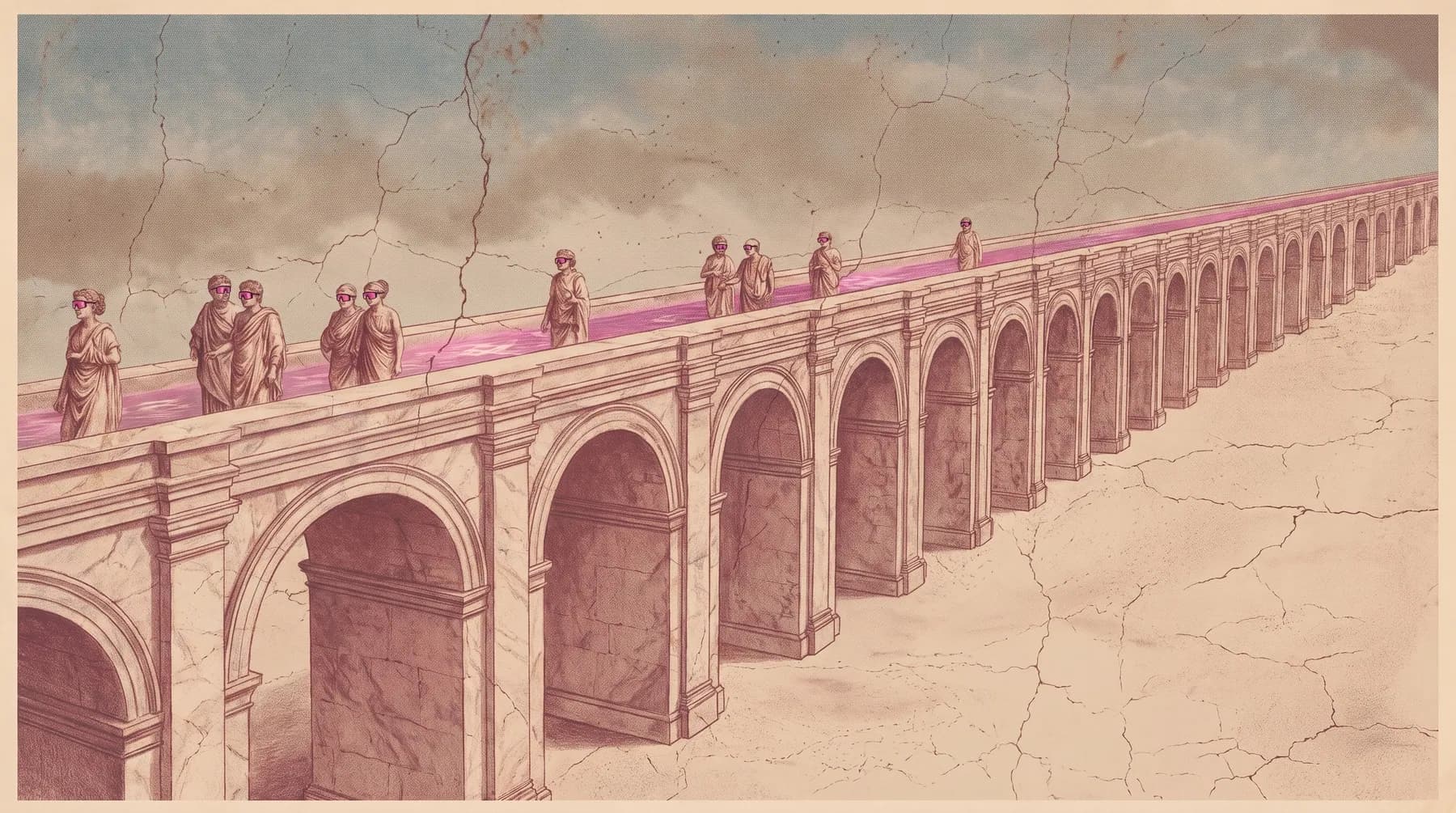
The native launchpad
Robinhood Chain opens a new distribution surface for onchain assets: tokenised equities, crypto assets, community assets and primitives that do not have a name yet, all sharing the same rails.
Medici is built to sit at the centre of that economy — launch, price discovery, liquidity formation and secondary trading in one place — so a sequence of separate launches turns into an economy of connected markets.
The question on a chain like this is rarely which assets get issued. It is where their liquidity ends up concentrating.
The (3,3) model
In a (3,3) architecture liquidity becomes a market of its own. Capital is supplied, markets compete for it, and the participants who commit to governance decide which of those markets the ecosystem supports next.
Incentives stop being a subsidy and start being a coordination mechanism.
Supply the capital a market needs to absorb size, and get paid for the risk of standing there.
Compete for that capital by making the case for their own market, epoch after epoch.
Direct where incentives go next, and carry the consequences of choosing badly.
“How do we attract liquidity providers?”
becomes“How do we make our market matter enough that the ecosystem wants to support it?”
They never touched. That was the point.
The market is the product
Most protocols present the token as the product. Medici treats the market that forms around it as the product — because that is the part that either survives the week or does not.
What a launch is measured on here:
Liquidity that is still there next month
Volume that repeats without a campaign
Traders who come back on their own
A community with an economic reason to care
Shared infrastructure
A project arrives with a community. That community brings users. Those users bring volume and capital. The capital moves on into other markets — and the next project to launch inherits an environment already deeper than the one before it.
That is how a collection of individual tokens slowly becomes an economic network. Medici wants to be where the loop starts.
Built for those who stay
Emissions can buy TVL. Campaigns can buy attention. Airdrops can buy a first wave of users. None of them buy a market that is still relevant once the incentive stops.
A (3,3) architecture answers that by giving long-term participants a real role: liquidity, incentives and governance stop being three separate systems and start being three parts of one mechanism.
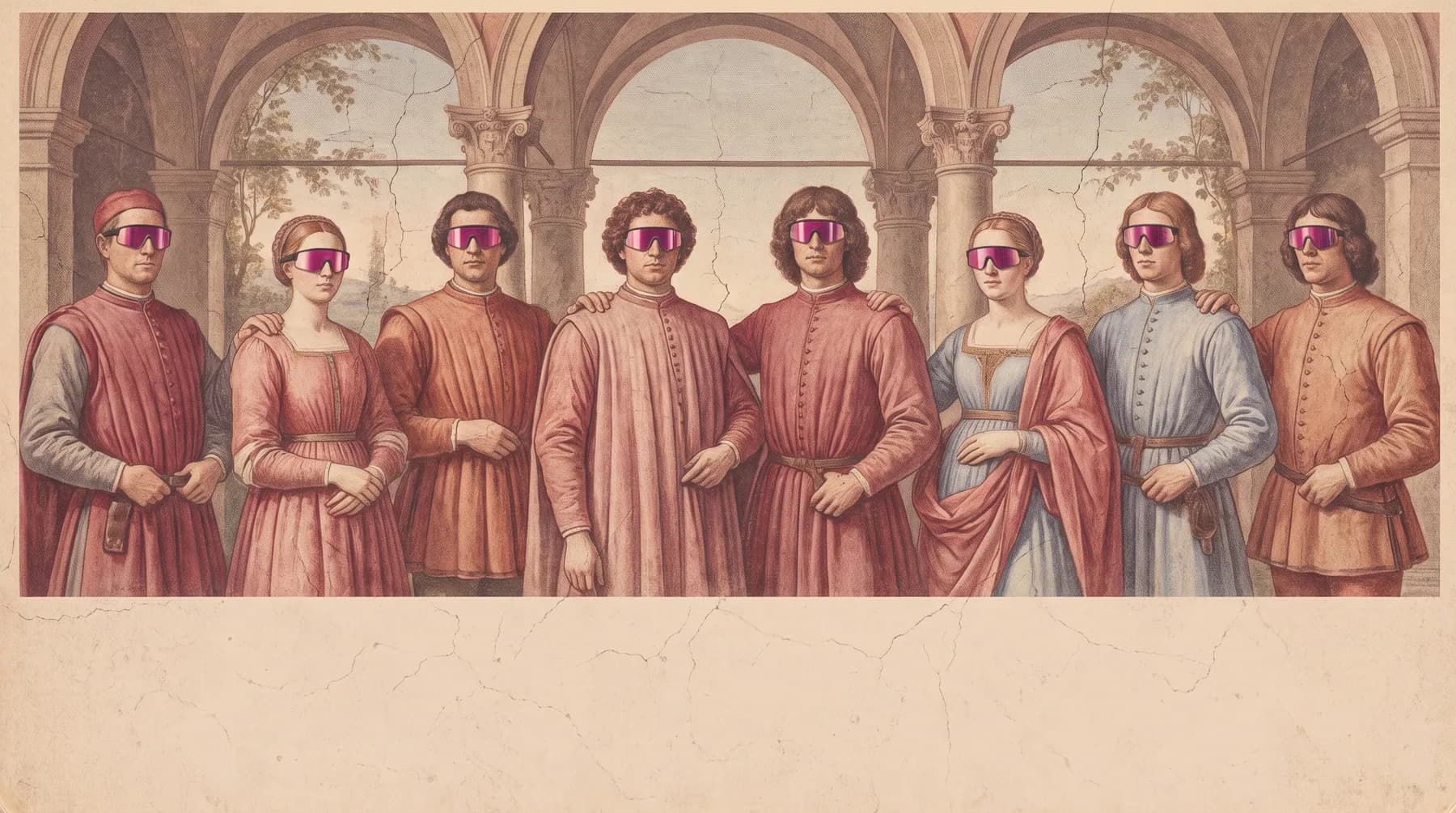
“Who is bringing capital today?”
becomes“Who should decide where it goes tomorrow?”

The name is not about wealth. It is about the period when capital, craft and influence reinforced each other until one city became the centre of its era.